
Laundry That Protects Our Waters
What Tiny Fibers Do After the Spin
From Fleece to Faucet: The Journey
Follow a single fleece fiber: it breaks off in the drum, rides gray water to treatment, gets partly screened, mixes with biosolids, and finally reaches fields, rivers, or ocean spray. Along the way, it can carry dyes and additives into living tissues.
Why Heat, Friction, and Time Matter
Heat weakens polymers, harsh detergents roughen surfaces, and long cycles multiply abrasion. Higher temperatures swell fibers, releasing more fragments. Overloaded drums scrape fabric against door seals, while hard water and aggressive spins add microcracks that later snap into free-floating particles.
Everyday Wash Choices With Outsized Impact
Colder Cycles, Fewer Fibers
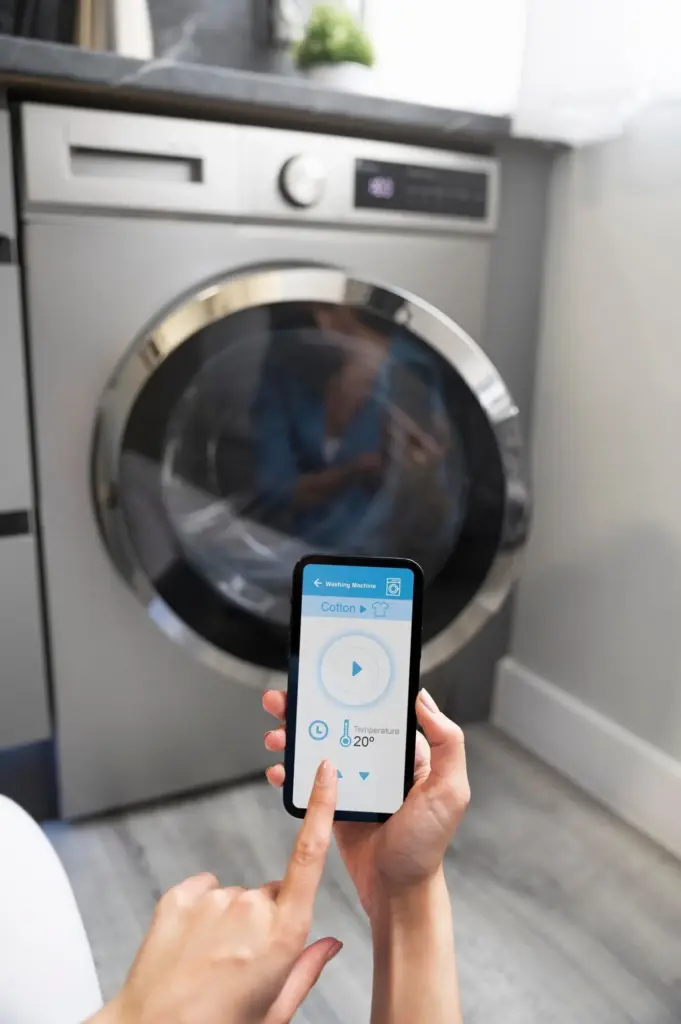
Many garments release fewer fragments at 20–30°C than at 40–60°C, especially synthetics. Pair cooler water with pre-treatment for stains, and consider occasional hot sanitizing cycles without textiles. You’ll retain color, conserve energy, and shed markedly fewer invisible strands per month.
Gentle Motions, Stronger Clothes
Switch from heavy-duty to delicate or quick cycles when soil levels are light. Reduced mechanical action prevents surface fuzzing and broken filaments. Using mesh laundry bags for delicate items adds another buffer, preserving shape while limiting the scuffing that produces micro-debris.
Right-Sized Loads and Spin Speeds
Stuffing the drum increases grinding, while tiny loads tumble too freely. Aim for around three-quarters full, enabling clothes to slide rather than scrape. Moderate spin speeds leave less lint in wastewater and reduce pilling that later sloughs off during subsequent washes.
Tools That Trap What You Can’t See
Filter Bags and Structured Washers
Inline Filters for Home Machines

Cleaning Captured Fibers the Safe Way
Fabric Choices and Care That Shed Less
Home Maintenance Beyond the Washer


Collective Action and Measurable Change
All Rights Reserved.